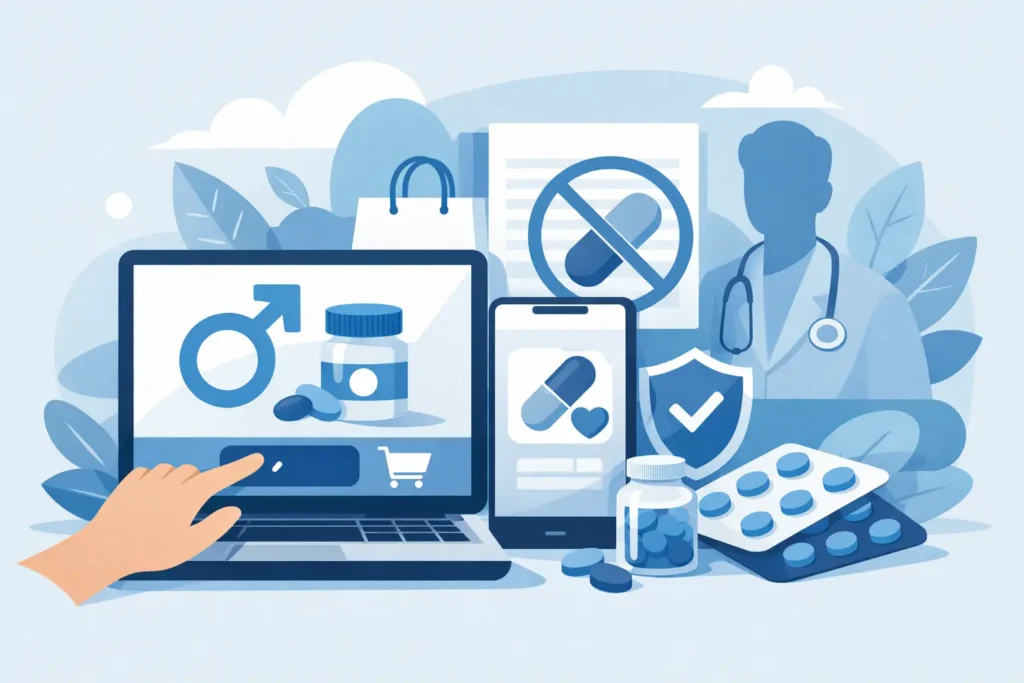
A private online visit can remove a major barrier to erectile dysfunction care: the awkward delay. That convenience is why telehealth erectile dysfunction trends are moving quickly, especially among men who want straightforward answers, clear pricing, and treatment delivered discreetly. But faster access should still come with thoughtful screening, legitimate medication, and a plan that fits your health history.
Telehealth Erectile Dysfunction Trends Shaping Care
The biggest shift is not simply that ED care is available online. It is that more people now expect it to be. Men who once postponed a conversation about erections for months or years can complete a medical intake, discuss symptoms remotely, and have a prescription sent to a pharmacy without rearranging their workday or sitting in a waiting room.
Privacy is a central reason. Erectile dysfunction can feel personal even when it is common. Telehealth gives patients more control over where and when they discuss it. For some, that means a video visit from home. For others, it means a secure questionnaire followed by clinician review and messaging. The best format depends on the person, their symptoms, and whether a clinician needs a closer look.
Convenience alone, however, is not the standard to use. ED can be connected to stress, relationship concerns, medication side effects, diabetes, high blood pressure, low testosterone, sleep problems, or cardiovascular disease. A quality telehealth process should make room for those details rather than treating every concern as a quick medication order.
More Men Are Choosing Online ED Consultations
Telehealth has made treatment feel more routine. That matters because erectile dysfunction is often manageable, and delaying care can add frustration for both partners. Online care lowers the practical barriers: time off work, travel, pharmacy pickup, and the discomfort of explaining symptoms face-to-face.
Many patients are already familiar with well-known options such as sildenafil, the active ingredient in Viagra, and tadalafil, the active ingredient in Cialis. Telehealth makes it easier to compare the broad differences between them with a clinician. Sildenafil is generally used closer to sexual activity and has a shorter window of effect. Tadalafil may be used as needed or in a daily regimen and can remain active longer. The right choice depends on timing preferences, health conditions, other medications, side effects, and clinician guidance.
This also explains why generic medications remain a major part of the online ED market. Generic sildenafil and tadalafil can offer the same active ingredient as their branded counterparts at a lower price. For price-conscious buyers, transparent costs can make it easier to stay consistent with treatment instead of stopping after one expensive fill.
Asynchronous Care Is Growing, With Limits
Secure online questionnaires and clinician messaging are becoming more common. They can be useful for straightforward cases because patients can provide their information privately and on their own schedule. A clinician can then review medical history, current medications, allergies, blood pressure concerns, and symptoms before deciding whether treatment is appropriate.
Still, asynchronous care is not right for every situation. New chest pain, shortness of breath, fainting, a sudden major change in sexual function, penile injury, or symptoms of severe depression deserve more immediate and direct medical attention. Telehealth should make escalation easy when an online questionnaire is not enough.
Safer Screening Is Becoming a Bigger Expectation
The strongest telehealth providers do more than ask whether a patient wants sildenafil or tadalafil. They screen for the factors that can make ED medication unsafe or ineffective.
For example, PDE5 inhibitors such as sildenafil and tadalafil should not be combined with nitrate medicines used for chest pain. The combination can cause a dangerous drop in blood pressure. They may also require added caution for people taking certain alpha-blockers, those with serious heart conditions, or people who have been advised to avoid sexual activity because of cardiovascular risk. A full medication list is not a formality. It is a key part of safer prescribing.
Patients should also be honest about recreational drug use, alcohol intake, and supplements. Nitrite “poppers” are particularly dangerous when combined with ED medications. Heavy alcohol use can worsen dizziness, lower blood pressure, and make erections more difficult even when medication is used.
A reputable telehealth experience will not promise that one medication works for everyone. It will acknowledge trade-offs. Sildenafil may suit someone who wants occasional support and a shorter duration. Tadalafil may better fit someone who values flexibility over a longer window. Side effects such as headache, flushing, indigestion, nasal congestion, back pain, or muscle aches can influence the decision as well.
Privacy Now Includes Data Protection
Discreet packaging remains important, but modern privacy goes beyond what appears on a shipping label. Patients increasingly want to know how their medical information, payment details, and communication history are handled.
Before using an online service, look for a clear privacy policy, secure payment processing, and direct answers about who reviews your health information. Be cautious if a website makes sweeping medical promises, offers prescription-only drugs without any meaningful health screening, hides its contact information, or pressures you into a large recurring order.
Counterfeit and poorly stored medication are real concerns in online health commerce. Price matters, but an unusually low price without clear sourcing, product details, or support can be a warning sign. Legitimate medications should have identifiable packaging, expiration information, and instructions for use. If a product looks different than expected or arrives damaged, do not take it until you have received reliable guidance.
The Shift From One-Time Orders to Ongoing Care
Another important telehealth ED trend is follow-up. Medication is not always a one-and-done purchase. A treatment that seemed like the obvious choice may not provide the desired result, may cause unwanted side effects, or may become less suitable after a change in health or medications.
Good follow-up gives patients an easy way to report what happened after trying treatment. Did it work well enough? Was the timing inconvenient? Were side effects tolerable? Has anything changed in blood pressure, heart health, or the medications they take? These questions help clinicians adjust care safely instead of leaving patients to experiment on their own.
Ongoing care can also surface issues that ED medication does not solve by itself. Poor sleep, anxiety, relationship strain, smoking, limited activity, uncontrolled blood sugar, and high blood pressure can all affect sexual performance. A pill may be part of the answer, but a broader health check can protect both sexual health and long-term health.
What Patients Should Expect From Online ED Care
A credible telehealth process should be clear about what it can and cannot do. Expect questions about your health history, current prescriptions, heart health, and symptoms. Expect a way to contact a clinician or support team if something is unclear. Expect direct information about the medication, including possible side effects and situations where you should seek urgent care.
Seek emergency help for chest pain, sudden vision or hearing changes, severe allergic symptoms, or an erection that lasts more than four hours. These events are uncommon, but they are not concerns to manage through a chat message or by waiting for the next business day.
The best online ED care feels private and convenient without feeling careless. Choose a service that respects your time, protects your information, and treats your health history as seriously as the treatment itself. That is the kind of convenience worth bringing into your routine.